To stay competitive, construction firms must evolve alongside the Built Environment sector. That means rethinking job roles, embracing digital solutions, and futureproofing your teams. The Built Environment Industry Transformation Map (BE ITM) and Jobs Transformation Map (BE JTM) offer a strategic lens to guide your workforce planning.
The BE Skills Framework complements these efforts by mapping the competencies required across job roles and functions in the sector — helping employers make informed decisions on hiring, training, and job redesign.
Transformation doesn’t happen overnight; but with the right tools and a clear plan, it’s entirely achievable. This step-by-step guide supports construction firms and HR professionals in taking decisive, structured action to redesign job roles, build future-ready teams, and access grants and support programmes. Each step aligns with national priorities under the Built Environment ITM and JTM, helping you drive productivity, talent retention, and long-term resilience.
Emerging Job Opportunities
Discover Future-Ready Careers
As the built environment sector evolves, entirely new roles are emerging — from Digital Twin Specialists to Sustainability Consultants. These jobs blend core industry knowledge with cutting-edge digital and green skills, offering dynamic career paths with real-world impact. Exploring these roles can open doors to growth, innovation, and long-term opportunity in a future-ready workforce.
IN-DEMAND ROLES INCLUDE:
Digital Twin Specialist
Develop real-time building models for smarter operations
Smart FM Data Analyst
Optimise building systems using data insights
Robotics & Automation Engineer
Integrate tech into construction processes
Sustainability Consultant
Help buildings meet green and energy-efficient standards
Celebrating Industry Leaders in Workforce Transformation
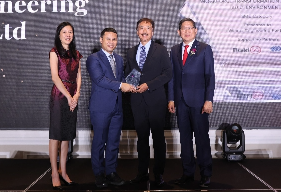
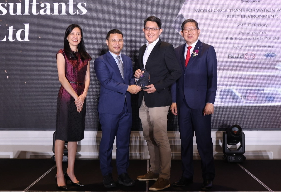
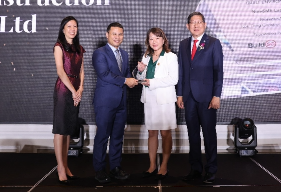
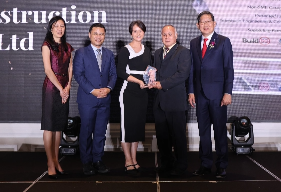
The Workforce Transformation Award (WTA) 2024, co-organised by SCAL and SWDA, recognises firms that have successfully implemented innovative and effective workforce strategies. These companies are not only improving productivity and talent retention but also actively shaping a more agile, skilled, and future-ready Built Environment sector.
SME CATEGORY WINNERS
Winner Engineering
A leading M&E firm in Singapore for over 30 years, Winner Engineering has embraced transformation to remain competitive in a rapidly changing industry. The company streamlined work processes and redesigned roles like the Project Manager position through initiatives like PSG-JR, CCPs, and SWDA workshops. By integrating digital tools, they achieved a 30% boost in project execution productivity, improved job satisfaction, and reinforced their human capital motto: “People are at the heart of our business.”
P&T Consultants
Specialising in architecture and engineering, P&T Consultants transitioned from 2D to BIM modelling by redesigning draughtsman roles and reskilling their technical team via SWDA’s CCP and PSG-JR. The result was a 20% productivity gain, stronger BIM capabilities, improved communication skills, and greater morale and career progression opportunities.
NON-SME CATEGORY WINNERS
KTC Civil Engineering & Construction (KTC)
Established in 1988, KTC undertook a holistic workforce transformation to retain talent and boost career development. By redesigning the roles of Site Supervisors and Foremen, and adopting digital tools like Autodesk and Novade, KTC increased operational independence, improved equipment utilisation, and achieved higher employee satisfaction and retention through targeted reskilling.
Teambuild Engineering & Construction
Faced with inefficiencies from traditional 2D drawings, Teambuild adopted a BIM-integrated 360-degree camera system to enhance site inspections. Their on-site team was reskilled in 3D modelling through SWDA’s CCP, allowing them to streamline workflows, elevate job quality, and increase the value of digital adoption through role redesign.